
Watering Systems That Respond to Plant Needs
Irrigation Systems in North Hills for landscapes with uneven watering or high water bills
Inconsistent watering creates visible problems across a landscape—some areas stay saturated while others dry out completely, plants fail to establish, and water waste drives up utility costs. Romero's Landscaping & Gardening Services Inc installs and upgrades irrigation systems with independent zone control, allowing different planting areas to receive water according to their specific requirements rather than running the entire system on one schedule. In North Hills, where water restrictions tighten during dry months, this zone-based approach prevents overwatering drought-tolerant plants while keeping lawns and high-water species adequately hydrated.
Installation begins with evaluating existing water pressure, identifying coverage gaps where spray patterns miss planted areas, and determining whether current controllers allow scheduling flexibility for different zones. Upgrades often involve replacing fixed spray heads with rotating nozzles that distribute water more evenly at lower precipitation rates, adding drip lines to shrub beds that don't need overhead watering, and installing smart controllers that adjust run times based on seasonal weather patterns.
Schedule an irrigation evaluation to identify coverage gaps and water waste in your current system.
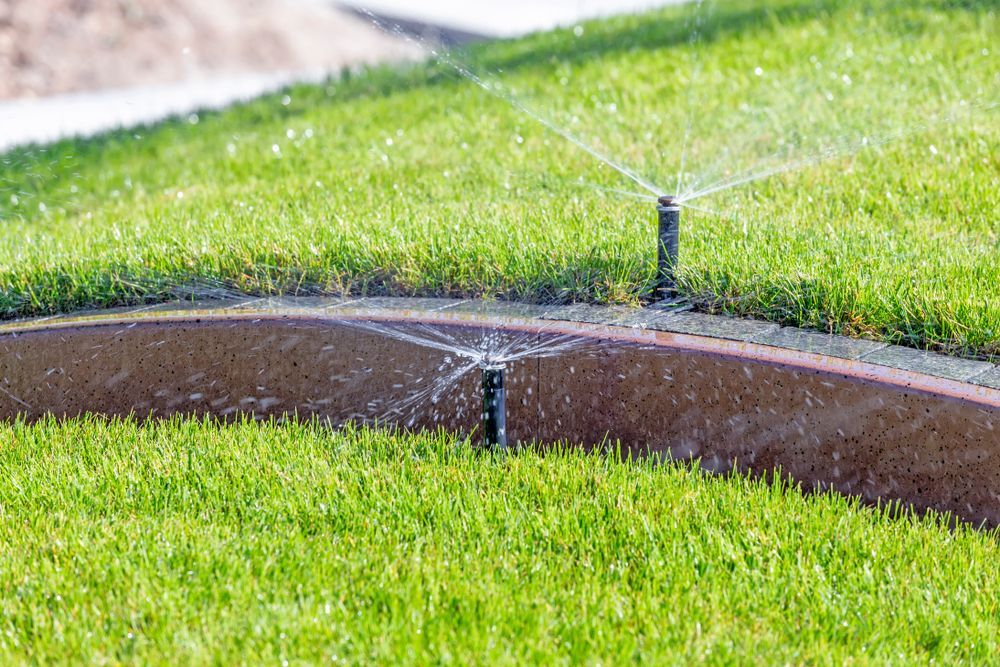
How Proper Irrigation Changes Landscape Performance
An efficient irrigation system delivers water at rates that soil can absorb without runoff, targets root zones rather than paved surfaces, and adjusts seasonally as plant water needs change from spring growth through summer heat into fall dormancy. Drip irrigation for planting beds reduces evaporation loss by delivering water directly to root zones at ground level, while lawn zones use matched precipitation rate nozzles so that all sprinklers apply water at the same speed across the coverage area.
Once the system is adjusted or upgraded, you see more uniform plant health across the landscape. Brown patches in lawns disappear because coverage is consistent, shrubs that previously showed drought stress maintain foliage density through summer, and water bills decrease because zones run only as long as necessary to deliver the required amount. Runoff onto driveways and sidewalks stops because precipitation rates match soil absorption capacity.
System repairs address broken lines, clogged emitters, and malfunctioning valves that cause zones to overwater or skip scheduled cycles entirely. Regular adjustments also reposition heads that have shifted over time, ensuring that water reaches planted areas rather than structures or hardscape. These corrections are particularly important before seasonal water restrictions take effect, when every irrigation cycle needs to perform efficiently.
Questions About Irrigation System Performance
Property owners often need clarity on how irrigation systems should function and what performance standards indicate efficient operation.
What causes irrigation systems to waste water?
Common issues include misaligned spray heads that water pavement, zones that run longer than soil can absorb water leading to runoff, broken lines that leak underground, and single-schedule controllers that don't adjust for plant type differences. Each of these problems is correctable through system evaluation and targeted repairs.
How does zone-based control improve watering efficiency?
Separate zones allow lawns to run frequently for shorter periods while shrub beds water deeply but infrequently, matching each plant type's root structure and water uptake pattern. This prevents the overwatering that occurs when all areas run on the same schedule regardless of need.
What upgrades provide the most immediate water savings?
Replacing older spray heads with pressure-regulated rotating nozzles reduces water use by applying water more slowly and evenly, and adding drip irrigation to planting beds eliminates the evaporation loss that occurs with overhead watering, particularly during midday heat in North Hills summers.
How often should irrigation systems be adjusted or serviced?
Seasonal adjustments are necessary as temperatures change and plant water needs shift, typically before summer heat arrives and again as fall reduces evaporation rates. Physical inspections should occur at least annually to catch leaks, clogged emitters, and coverage gaps before they create lasting plant stress.
What signs indicate an irrigation system needs professional repair?
Persistent wet spots in the landscape, sections of plants showing drought stress despite regular watering, unexplained increases in water bills, and zones that fail to activate or won't shut off all point to system malfunctions that require diagnosis beyond controller adjustments.
Romero's Landscaping & Gardening Services Inc provides irrigation repairs, upgrades, and system adjustments that address current performance issues and improve long-term water efficiency. Arrange a system evaluation to identify specific problems affecting your landscape's watering performance.