
Properties Built Around How You Use Outdoor Space
Landscape Design in North Hills for yards that function poorly or lack visual cohesion
Romero's Landscaping & Gardening Services Inc creates landscape designs that integrate plant selection, irrigation planning, hardscape features, and lawn areas into layouts that address how a property actually functions. Each design accounts for Southern California's dry season water restrictions, native plant performance, and how the space will be used throughout the year. You receive a plan that connects entry paths, outdoor living areas, and planting zones into a system that works together rather than competing for attention or resources.
The design process begins with evaluating your property's sun exposure patterns, existing soil drainage, slope conditions, and how foot traffic currently moves through the yard. These factors determine which plant species will establish successfully without excessive water, where irrigation zones need independent control, and how hardscape elements should be positioned to guide movement while supporting the overall layout. The goal is a landscape that requires less intervention over time because the design anticipates seasonal changes and growth patterns from the beginning.
Schedule a landscape design consultation to review your property's layout and discuss specific functional goals.
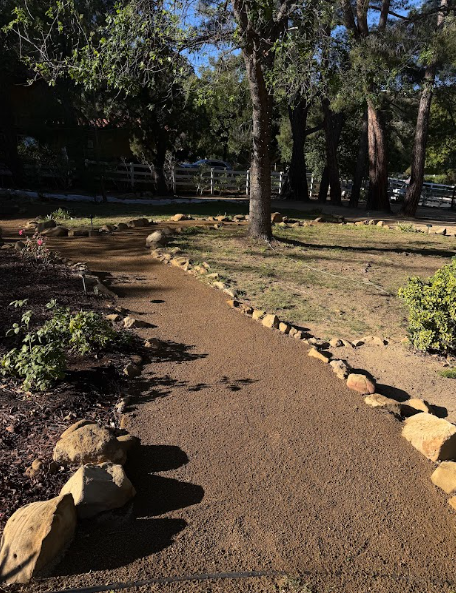
What a Cohesive Design Changes About Property Function
A complete landscape design addresses the relationship between plant water needs, irrigation coverage, and maintenance access so that each zone receives appropriate resources without waste. In Southern California, this means grouping plants by water requirements and selecting species that perform well during extended dry periods, reducing dependence on supplemental irrigation once established. The design also positions trees for shade coverage where heat builds up, directs runoff toward planted areas that can absorb it, and creates clear transitions between lawn zones and low-water planting beds.
After installation, you notice that the yard no longer has competing sections where one area thrives while another struggles. Pathways guide movement logically, irrigation runs only where needed, and plant health remains consistent because species are matched to their specific microclimates. The landscape develops visual balance as plants mature according to plan rather than outgrowing their spaces or failing to fill in as expected.
Design work includes detailed planting plans with species selection, irrigation zone mapping, and a phased installation timeline if the project will be completed in stages. This allows you to prioritize areas based on budget or immediate need while maintaining design continuity. The plan also identifies long-term maintenance requirements so you understand pruning schedules, seasonal cleanup, and irrigation adjustments before installation begins.
What Property Owners Ask Before Design Work Begins
Landscape design discussions often focus on how to balance visual appeal with practical concerns like water use, maintenance time, and long-term plant performance in this region.
What factors determine plant selection for Southern California landscapes?
Species are chosen based on drought tolerance once established, heat resistance during summer months, root behavior around hardscape and irrigation lines, and mature size relative to available space. Native and climate-appropriate plants reduce water needs significantly after the first growing season.
How does irrigation planning integrate with landscape design?
Irrigation zones are mapped according to plant water requirements, with separate controls for lawn areas, shrub beds, and low-water plantings. This prevents overwatering drought-tolerant species while ensuring higher-water plants receive adequate coverage, which is critical for water conservation compliance in North Hills.
What happens during the design consultation process?
The initial visit includes site evaluation, discussion of how you use outdoor spaces, assessment of existing conditions like soil drainage and sun exposure, and review of maintenance preferences. You receive a design proposal that outlines plant selections, hardscape features, irrigation layout, and installation phases.
How do designs account for future growth and maintenance?
Plant spacing reflects mature sizes to prevent overcrowding, and species are selected based on pruning requirements and growth rates. The design includes access paths for maintenance equipment and positions plants so that routine care doesn't require navigating through other plantings.
What design elements typically increase property value most?
Cohesive layouts that connect front and back yards visually, established trees that provide shade and scale, and functional outdoor living areas that extend usable space all contribute measurably to curb appeal and property valuation during resale.
Romero's Landscaping & Gardening Services Inc develops designs that reflect both your property's specific conditions and realistic maintenance expectations. Request a design consultation to begin planning a landscape that addresses current layout challenges and long-term functionality.