
Trees Maintained for Structure and Safety
Tree Services in North Hills for properties with overgrown branches or hazardous limbs
Branches that extend over rooflines drop debris into gutters and create entry points for pests, while limbs that have died back become fall hazards during wind events common in Southern California. Tree trimming and pruning remove these problems by cutting back growth that threatens structures, eliminating dead wood that won't recover, and shaping canopies to reduce wind resistance and improve light penetration to the landscape below. Romero's Landscaping & Gardening Services Inc evaluates tree health and structural balance before making cuts, ensuring that pruning improves long-term form rather than creating stubs that invite disease or imbalanced growth that leads to future failures. Properties across North Hills maintain healthier trees and reduce risk by addressing overgrown or damaged branches before they cause property damage or require emergency removal.
Pruning work focuses on removing crossing branches that rub and create wounds, thinning dense canopies to allow air movement that reduces fungal disease pressure, and cutting back limbs that have grown beyond their structural capacity and risk breaking under their own weight. Dead branches are removed regardless of size since they provide no benefit to the tree and present falling hazards. Crown raising eliminates low branches that interfere with foot traffic, vehicles, or building access.
Schedule tree service to address overgrown or hazardous branches on your property.
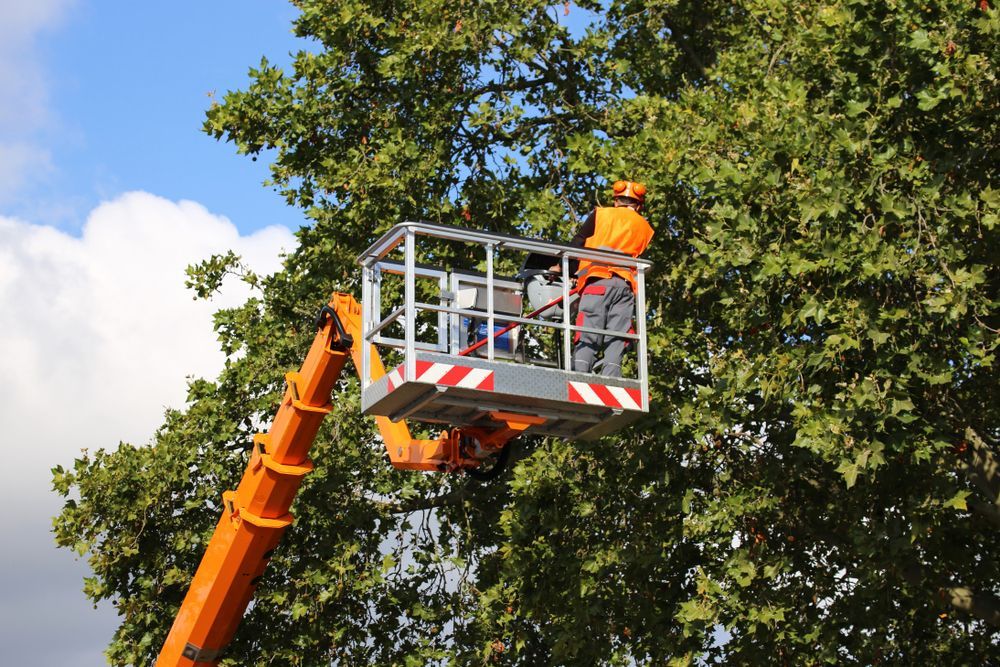
How Routine Pruning Extends Tree Lifespan
Proper pruning cuts are made just outside the branch collar where the limb meets the trunk or parent branch, allowing the tree to compartmentalize the wound and prevent decay from spreading into the main structure. Cuts that leave stubs or remove the branch collar create openings that the tree can't seal effectively, inviting rot and pest infestation that weaken structural integrity over time. Timing also affects tree response, with most pruning performed during dormancy or after spring growth hardens off, avoiding periods when cuts cause excessive sap flow or expose tender tissue to environmental stress.
After pruning, trees develop more balanced canopies with better light distribution to interior branches, improved air circulation that reduces humidity and disease pressure, and reduced weight on limbs that previously sagged or showed stress cracks. You notice fewer branches dropping during wind, less debris accumulating on roofs and in gutters, and better visibility through the canopy. Trees that previously showed dieback or sparse foliage often respond to proper pruning with more vigorous growth in the following season as resources concentrate on remaining healthy branches.
Tree removal becomes necessary when structural damage, disease progression, or root failure make preservation unsafe or impractical. This involves sectional dismantling in confined spaces where whole-tree felling would damage structures or landscapes, stump grinding to remove root mass below grade, and debris removal that clears the site completely. Removal decisions consider whether the tree presents immediate hazard, whether decline is reversible through treatment, and whether the tree's position creates ongoing conflicts with buildings or utilities that pruning can't resolve.
Frequently Asked Tree Service Questions
Tree care questions typically address how to recognize when service is needed and what different approaches accomplish for tree health and property safety.
What visible signs indicate a tree needs professional pruning?
Dead branches that have lost bark and show no foliage, crossing limbs that rub together and create wounds, branches touching or overhanging structures, dense canopies with poor interior light penetration, and limbs that sag under their own weight all indicate pruning is overdue. These conditions worsen over time if not addressed.
How does pruning improve tree health beyond just appearance?
Removing dead and diseased wood stops decay from spreading to healthy tissue, thinning dense canopies improves air circulation that reduces fungal problems, and eliminating crossing branches prevents wounds that become infection sites. Proper pruning also balances the canopy so that weight distributes evenly across the tree's structure, reducing breakage risk during storms common in North Hills.
When during the year should tree trimming be performed?
Most pruning occurs during winter dormancy when trees aren't actively growing and wound response is minimized, though dead wood removal and hazard reduction can happen any time risk is identified. Some species have specific timing requirements based on flowering cycles or sap flow patterns that affect how cuts heal.
What determines whether a tree should be removed rather than pruned?
Removal becomes appropriate when more than half the canopy is dead or declining, when root damage or trunk rot compromises structural stability, when the tree is positioned too close to structures and causes ongoing foundation or roof damage, or when disease has progressed beyond treatment effectiveness. Safety concerns override preservation when failure risk is high.
How should property be prepared before tree service work begins?
Clear ground access to the work area, move vehicles and outdoor furniture away from the tree, protect landscape plants directly below branches being removed, and notify neighbors if branches overhang property lines. These steps allow work to proceed efficiently and reduce the chance of incidental damage during trimming or removal operations.
Romero's Landscaping & Gardening Services Inc provides tree trimming, pruning, and removal services that address both immediate hazards and long-term tree health. Call the office to arrange an evaluation of trees requiring maintenance on your property.