
Fresh Mulch That Actually Protects Soil
Mulch Installation in North Hills for planting beds requiring moisture retention and weed suppression
Planting beds without adequate mulch coverage lose soil moisture rapidly during hot weather, which stresses plants and increases watering frequency, while exposed soil surfaces allow weed seeds to germinate easily and compete with ornamental plants for nutrients and water. Romero's Landscaping & Gardening Services Inc installs fresh mulch in North Hills landscape beds, creating the protective layer that moderates soil temperature, retains moisture, and blocks sunlight from reaching weed seeds. Properties with established beds that haven't received new mulch in over a year typically show thinned coverage where decomposition has reduced the layer to less than two inches, the minimum depth needed for effective weed suppression.
Installation begins with removing weeds and debris from bed surfaces, then spreading mulch to a consistent depth that covers soil without piling material against plant stems where it can trap moisture and cause rot. Organic mulches break down over time and add organic matter to soil as they decompose, which improves soil structure gradually. The mulch layer moderates soil temperature by insulating against both summer heat and winter cold, which helps roots maintain steady growth rather than experiencing the stress of rapid temperature swings in exposed soil.
Schedule a bed assessment to determine how much mulch your planting areas need for proper coverage and protection.
How Mulch Changes Bed Maintenance Requirements
Properly mulched beds require less frequent watering because the layer reduces evaporation from soil surfaces and keeps moisture available to roots longer after irrigation or rainfall. Weed populations drop significantly because the mulch blocks sunlight from reaching seeds in the soil, preventing germination of the light-dependent weed species that typically invade bare soil. The few weeds that do emerge pull out more easily from loose mulch than from compacted bare soil.
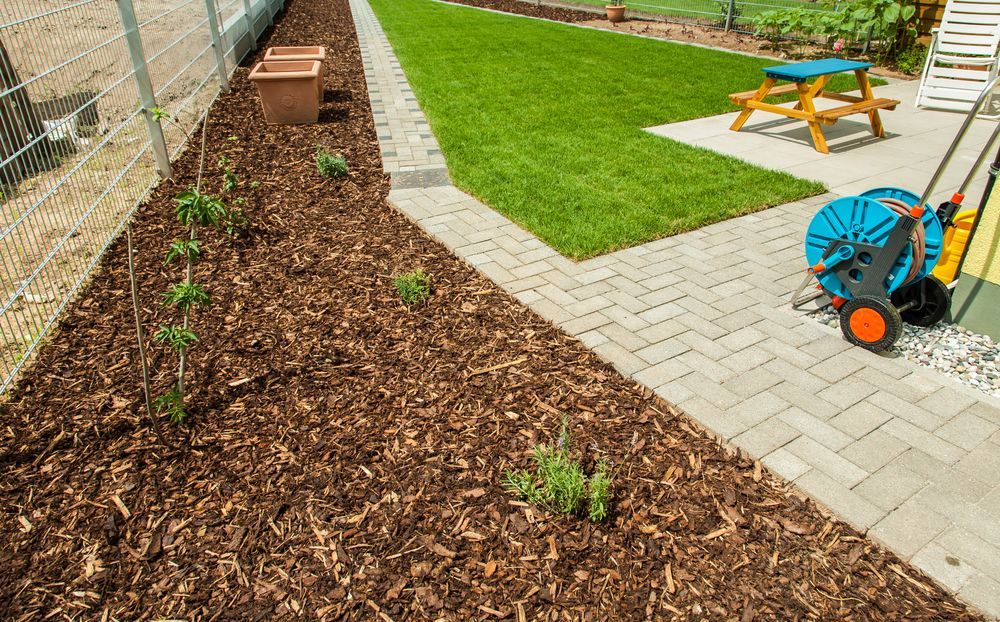
After installation, planting beds show uniform coverage with clean, defined edges separating them from lawn areas. The fresh mulch color restores the finished appearance that fades as older material weathers and decomposes. Soil stays cooler during summer heat because the mulch layer reflects some sunlight and insulates the ground, which reduces heat stress on shallow roots and keeps beneficial soil organisms active instead of driving them deeper to escape surface temperatures.
Mulch installation works for both residential landscape beds and commercial properties where maintained appearance matters for curb appeal. The service includes spreading material evenly so beds have consistent depth throughout rather than thick piles in some areas and thin coverage in others where protection and weed suppression would be inadequate.
Mulch Installation Questions
Property owners considering mulch work often want to know about timing, depth, and how long the material lasts before needing replacement.
What depth should mulch be applied?
A layer two to three inches deep provides effective weed suppression and moisture retention without being so thick that it prevents water from reaching soil or creates conditions for pest problems. Deeper layers can suffocate plant roots by reducing oxygen exchange, while thinner coverage allows weeds to germinate and doesn't retain moisture effectively.
When is the best time to install fresh mulch?
Spring installation prepares beds for the hot, dry summer months ahead by establishing the protective layer before heat stress begins, while fall installation protects soil through winter and gives beds a refreshed appearance before the rainy season starts in North Hills.
How long does mulch last before needing replacement?
Organic mulches decompose gradually, with most materials breaking down enough to require refresh or replacement after 12 to 18 months depending on climate conditions and the specific mulch type used. Decomposition happens faster in warm, moist conditions where microbial activity is high.
Does mulch prevent all weed growth?
Mulch significantly reduces weed populations by blocking light from reaching seeds, but some persistent weeds with deep root systems or wind-blown seeds that land on the mulch surface may still germinate. However, these weeds pull out easily from loose mulch compared to the effort required to remove them from bare, compacted soil.
Why shouldn't mulch touch plant stems?
Piling mulch against stems or tree trunks traps moisture against bark, which creates conditions for fungal diseases and insect damage. Proper installation leaves a small gap around each plant so air can circulate and bark stays dry.
Romero's Landscaping & Gardening Services Inc handles mulch installation for planting beds of any size, with material spread to proper depth for weed control and soil protection. Contact us to request installation service that refreshes your landscape beds and reduces maintenance requirements.