Surfaces That Stay Green Without Water
Turf Installation in North Hills for properties facing water restrictions or high maintenance costs
Natural grass lawns demand weekly mowing, seasonal fertilization, continuous irrigation, and pest management to maintain appearance, creating recurring costs and time commitments that increase during Southern California's dry months. Artificial turf eliminates these requirements by providing a synthetic surface that maintains consistent color and texture year-round without water, mowing, or chemical treatments. Romero's Landscaping & Gardening Services Inc installs turf systems with drainage layers that prevent water pooling, infill materials that keep blades upright and provide cushioning, and seam placement designed to minimize visible lines where turf sections join. Properties in North Hills use this solution to reduce outdoor maintenance while keeping functional yard space for recreation and visual appeal.
Installation involves removing existing grass and several inches of soil, then compacting a base layer of crushed aggregate that provides stable support and drainage capacity. A weed barrier fabric goes down before turf rolls are positioned, cut to fit borders and landscape edges, and secured along perimeters. Infill material is spread across the surface and brushed into the turf backing to add weight, support blade structure, and create a more natural walking feel.
Learn more about turf installation options and request an evaluation for your property layout.
What Proper Installation Provides Long-Term
The base preparation underneath artificial turf determines whether the surface drains properly after rain or irrigation of adjacent planting areas, and whether the turf remains level as soil beneath settles over time. Inadequate compaction leads to depressions that collect water and don't dry quickly, while insufficient drainage aggregate causes the base to stay saturated and develop odor problems. Proper installation creates a surface that sheds water as quickly as it arrives, preventing the moisture retention that shortens turf lifespan and creates maintenance issues.
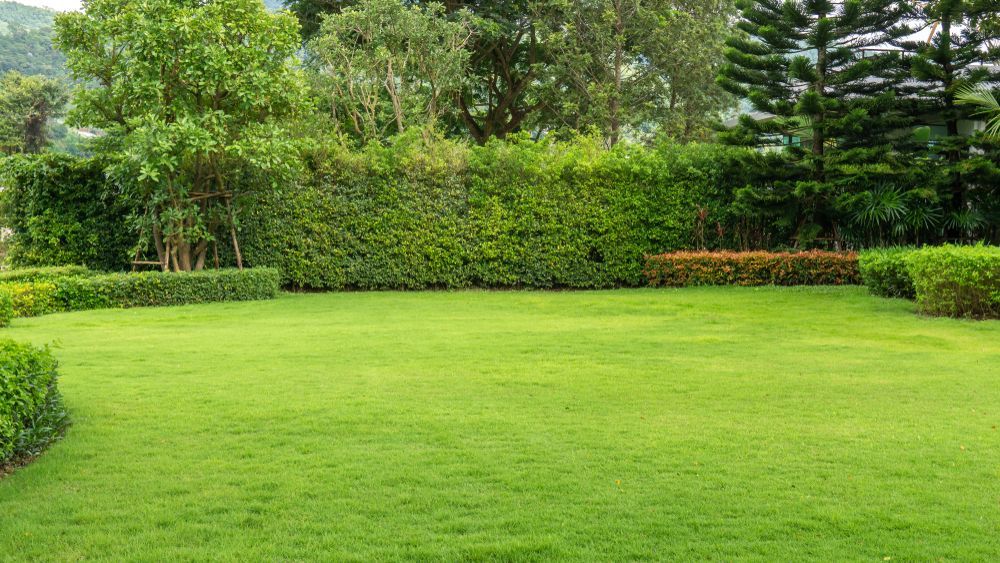
Once installed, you have a yard surface that requires only occasional rinsing to remove dust and debris, with no brown patches during heat waves, no mud during wet weather, and no ongoing costs for water, mower fuel, or lawn care products. The surface stays consistent in appearance and function throughout the year regardless of seasonal temperature changes. Turf performs particularly well in high-traffic areas where natural grass wears thin, such as play areas, dog runs, and pathways that previously turned to dirt under repeated use.
Applications extend beyond residential lawns to include commercial properties where maintenance costs and water use need reduction, side yards with poor sun exposure where grass struggles, and slopes where mowing is difficult or unsafe. Turf also works in areas with restricted irrigation access or where water runoff needs control, since the synthetic surface doesn't require the frequent watering that contributes to runoff and waste.
Questions Property Owners Ask About Artificial Turf
Turf installation discussions typically focus on performance, maintenance requirements, and how the surface compares to natural grass in daily use.
What maintenance does artificial turf require after installation?
Routine maintenance involves rinsing the surface occasionally to remove dust and debris, brushing high-traffic areas to keep blades upright, and removing leaves or organic material that accumulate over time. No mowing, fertilizing, aerating, or pest treatments are necessary, significantly reducing ongoing maintenance compared to natural grass.
How does artificial turf perform in Southern California heat?
Quality turf products resist fading and breakdown from UV exposure common in North Hills summers, though surfaces do become warm to the touch during peak afternoon heat. Infill materials and turf backing technology affect heat retention, with some products performing better than others in high-temperature conditions.
What base preparation prevents drainage problems?
A compacted aggregate base layer several inches deep allows water to percolate through the turf backing and drain away rather than pooling on the surface. The base must be graded to direct water toward existing drainage points, and compaction needs to be thorough enough to prevent settling that creates low spots over time.
How long does artificial turf last before replacement becomes necessary?
Turf lifespan typically ranges from ten to fifteen years depending on product quality, UV exposure, traffic levels, and maintenance consistency. Blades eventually wear down in high-traffic areas, backing materials degrade from sun exposure, and infill compacts or depletes, all of which affect appearance and performance over time.
What cost differences exist between turf installation and maintaining natural grass?
Turf requires higher upfront installation costs but eliminates ongoing expenses for water, mowing equipment and fuel, fertilizers, pest control, and periodic renovations that natural lawns need. The payback period depends on current maintenance costs and local water rates, with savings accumulating more quickly in areas with expensive water or strict irrigation restrictions.
Romero's Landscaping & Gardening Services Inc installs artificial turf systems designed for drainage performance and durability in Southern California conditions. Schedule a consultation to review your property's specific application and discuss turf options that match your maintenance goals.